

Essential Summer Maintenance Tips to Prepare Your Home for Winter
As summer days stretch on, it’s easy to forget that winter will arrive before long. Yet, preparing your home during the warmer months can save you time, money, and stress when cold weather hits. Taking care of essential maintenance tasks now helps protect your home from damage, keeps your heating systems efficient, and ensures your family stays comfortable through the colder season.
This guide covers practical summer maintenance steps that set your home up for a smooth transition into winter. From inspecting your roof to servicing your heating system, these tips will help you avoid costly repairs and keep your home safe and warm.

Check and Repair Your Roof
Your roof is your home's first defense against winter weather. Summer is the best time to inspect it because you can spot damage clearly without snow or ice in the way.
Look for missing or damaged shingles. Strong winds and storms can loosen shingles, leaving your roof vulnerable to leaks.
Inspect flashing around chimneys and vents. Damaged flashing can allow water to seep in during winter rains or melting snow.
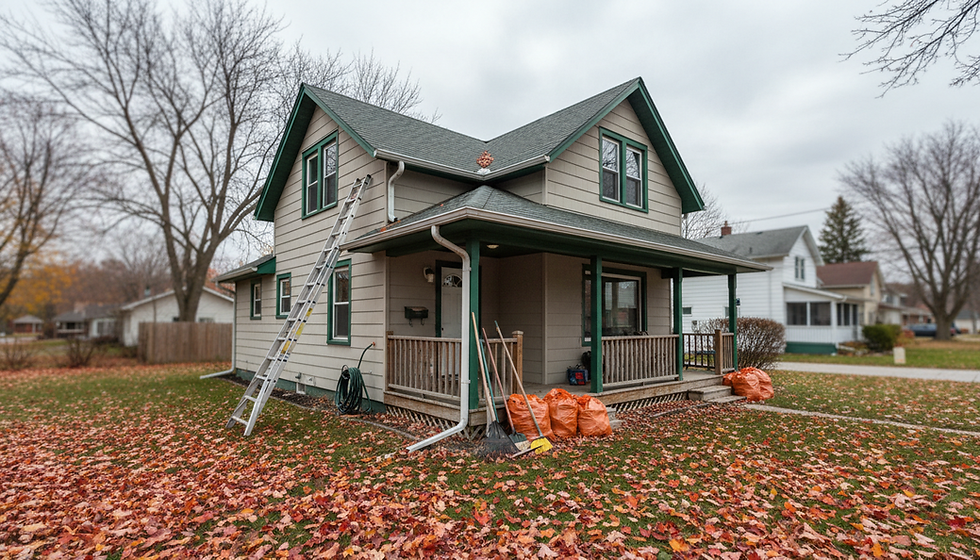
Clean gutters and downspouts. Remove leaves and debris to ensure water flows freely away from your home, preventing ice dams later.
Trim overhanging branches. Limbs near your roof can break under snow weight and cause damage.
If you find any issues, schedule repairs promptly. Fixing small problems now prevents leaks and structural damage during winter storms.
Service Your Heating System
Your heating system will work hardest during winter, so summer is the perfect time to get it ready.
Schedule a professional inspection. A technician can clean and tune your furnace or boiler, improving efficiency and safety.
Replace filters regularly. Clean filters improve air quality and reduce strain on your system.
Check your thermostat. Consider upgrading to a programmable thermostat to save energy during colder months.
Inspect vents and ducts. Clear blockages and seal leaks to ensure warm air circulates properly.
Regular maintenance reduces the risk of breakdowns when you need heat most and can lower your energy bills.
Seal Windows and Doors
Cold air sneaking into your home can increase heating costs and make rooms uncomfortable.
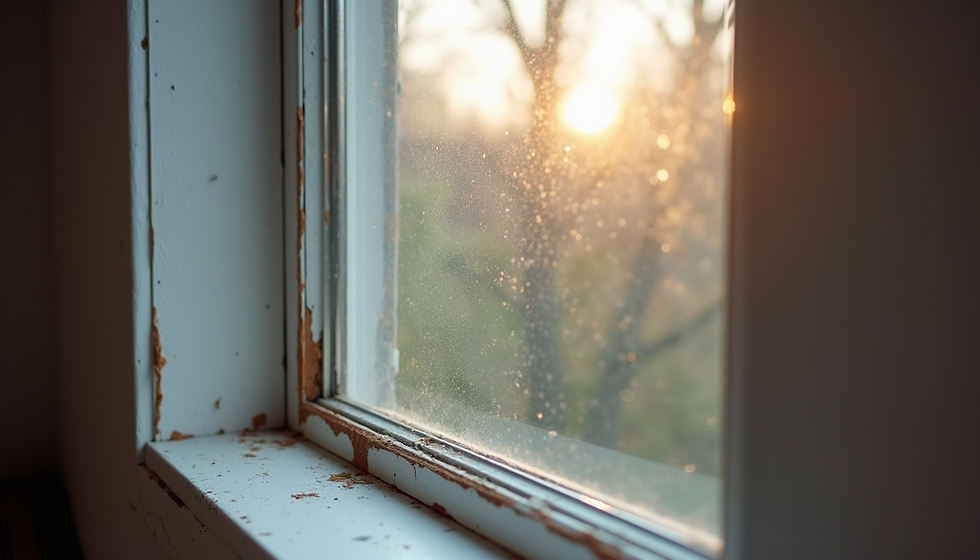
Inspect weatherstripping and caulking. Replace cracked or missing seals around windows and doors.
Install draft stoppers. Use door sweeps or draft snakes to block cold air at the bottom of doors.
Consider window insulation film. This thin plastic layer adds an extra barrier against drafts.
Check window panes. Replace any broken or cracked glass to prevent heat loss.
These simple fixes keep your home warmer and reduce energy waste.
Prepare Your Plumbing
Frozen pipes can cause major damage and expensive repairs. Summer is the time to prepare your plumbing for winter.
Insulate exposed pipes. Use foam sleeves or heat tape on pipes in unheated areas like basements and crawl spaces.
Drain outdoor faucets. Shut off and drain garden hoses and exterior taps to prevent freezing.
Check for leaks. Fix dripping faucets or running toilets to avoid water waste and potential pipe damage.
Know your main water shutoff valve. In case of a burst pipe, quick action can minimize flooding.
Taking these steps helps prevent plumbing emergencies during freezing temperatures.
Maintain Your Fireplace and Chimney
If you use a fireplace, preparing it now ensures safe and efficient operation in winter.
Have your chimney professionally cleaned. Removing soot and creosote reduces fire risk.
Inspect the chimney cap. A good cap keeps out animals and debris.
Check the damper. Make sure it opens and closes properly to control airflow.
Stock up on firewood. Store wood in a dry place to keep it ready for use.
Proper fireplace care keeps your home cozy and safe.
Inspect Your Insulation
Good insulation keeps warm air inside and cold air out, reducing heating costs.
Check attic insulation. Add more if it looks thin or compressed.
Seal gaps and cracks. Use spray foam or caulk around pipes, vents, and wiring.
Inspect basement and crawl space. Insulate walls and floors to prevent cold drafts.
Improving insulation is one of the most effective ways to prepare for winter.
Clean and Store Summer Equipment
Before winter arrives, take care of your summer tools and outdoor equipment.
Drain and store lawn mowers and garden tools. Clean and oil moving parts to prevent rust.
Empty and clean your grill. Cover it or store it indoors.
Put away patio furniture. Clean cushions and store furniture to protect it from winter weather.
This keeps your equipment in good shape and frees up space for winter gear.
Potential Damage from Plants Near a House
While plants and trees can enhance the beauty of a property, they can also cause significant damage if not properly managed. Here are some ways in which plants can negatively impact a house:
Root Damage
Roots from trees and large shrubs can extend far beyond the plant's canopy, potentially causing damage to foundations, driveways, and underground utilities. Here are some specific concerns:
Foundation Damage: Roots can exert pressure on foundation walls, leading to cracks and structural issues.
Drainage Problems: Roots can invade drainage systems, causing blockages and water accumulation.
Soil Erosion: Extensive root systems can destabilize soil, leading to erosion and further foundation issues.
Leaf Accumulation on Roofs
Leaves from overhanging trees can accumulate on roofs, creating several problems:
Water Damage: Pooled leaves can trap moisture, leading to mold growth and roof deterioration.
Clogged Gutters: Leaves can block gutters, causing water to overflow and potentially damage siding and foundations.
Increased Pest Activity: Decaying leaves can attract pests, including insects and rodents, which may find their way into the home.
Overhanging Branches
Branches that extend too close to the house can pose risks as well:
Physical Damage: During storms, branches can break and fall, causing damage to roofs, windows, and vehicles.
Access for Pests: Overhanging branches can provide a pathway for pests to enter the home, such as squirrels and insects.
Shade Issues: Excess shade from branches can limit sunlight to the house, affecting indoor lighting and heating.
While plants and trees can offer numerous benefits to a property, it is essential to manage their growth and placement to prevent potential damage to the house. Regular maintenance, including trimming and monitoring plant health, can help mitigate these risks.
Plan for Snow Removal
Preparing for snow early means you won’t be caught off guard.
Check your snow shovel and ice melt supplies. Replace worn tools and stock up on salt or sand.
Clear driveway and walkways. Repair cracks or uneven surfaces to prevent accidents.
Consider a snow blower. If you have a large area, servicing your snow blower now ensures it’s ready.
Having a plan makes winter safer and less stressful.
Taking time this summer to maintain your home pays off when winter arrives. These steps protect your investment, improve comfort, and reduce the chance of costly repairs. Start with a roof inspection and heating system tune-up, then move on to sealing, plumbing, and insulation. Don’t forget to care for your fireplace and prepare your outdoor equipment. With these tasks done early, you’ll enjoy a warm, safe, and worry-free winter season.

Comments