

The Importance of Maintaining Your House Perimeter: Grass, Patios, Borders, Trees and More
Maintaining the perimeter of your house is often overlooked, yet it plays a crucial role in the overall health, safety, and appearance of your property. The edges of your home, including grass, patios, borders, and trees, form the first impression for visitors and passersby. More importantly, a well-kept perimeter protects your home from damage, enhances curb appeal, and creates a pleasant outdoor environment. This post explores why maintaining these areas matters and offers practical advice to keep your house perimeter in top shape.

Why the Perimeter Matters
The perimeter of your house is more than just a boundary. It acts as a buffer zone between your home and the outside world. Proper care of this area can:
Prevent structural damage caused by overgrown roots or water pooling
Reduce pest infestations by eliminating hiding spots
Improve drainage and soil health around your foundation
Enhance safety by keeping walkways clear and visible
Increase property value through attractive landscaping
Ignoring the perimeter can lead to costly repairs and a less enjoyable living space. For example, unchecked tree roots can crack foundations or underground pipes, while overgrown grass and borders can harbor pests like rodents and insects.
Maintaining Grass Around Your Home
Grass is often the most visible part of your house perimeter. Keeping it healthy and trimmed offers several benefits:
Prevents soil erosion by holding the ground together
Reduces dust and mud that can be tracked indoors
Improves air quality by filtering dust and pollutants
Creates a welcoming atmosphere for guests and neighbors
Tips for Grass Care
Mow regularly to keep grass at an optimal height (usually 2.5 to 3 inches)
Water deeply but infrequently to encourage deep root growth
Aerate soil annually to improve oxygen and nutrient flow
Fertilize based on soil tests to avoid overuse of chemicals
Remove weeds promptly to prevent them from spreading
By following these steps, your grass will remain lush and resilient, forming a strong foundation for your house perimeter.
Keeping Patios Clean and Functional
Patios are common features along house perimeters, providing outdoor living space and enhancing property value. However, patios require regular maintenance to stay safe and attractive.
Common Patio Maintenance Tasks
Sweep or blow away leaves and debris frequently
Power wash surfaces to remove dirt, algae, and stains
Inspect for cracks or loose stones and repair promptly
Seal stone or concrete surfaces every few years to protect against weather damage
Trim nearby plants to prevent overgrowth onto the patio
A clean, well-maintained patio invites outdoor gatherings and adds to your home's usable space. Neglecting patio upkeep can lead to slippery surfaces, trip hazards, and accelerated wear.
Managing Borders and Garden Beds
Borders and garden beds define the edges of your property and add color and texture. Proper care keeps these areas tidy and prevents them from becoming overgrown or invasive.
Best Practices for Borders
Use edging materials like bricks, stones, or metal strips to separate borders from grass
Mulch garden beds to retain moisture and suppress weeds
Prune shrubs and perennials regularly to maintain shape and health
Remove dead plants and debris to reduce pest habitats
Choose native or low-maintenance plants suited to your climate
Borders that are well-maintained create a polished look and help protect your home’s foundation by controlling water runoff and soil movement.
Caring for Trees and Shrubs
Trees and shrubs around your house perimeter provide shade, privacy, and beauty. However, they require careful attention to avoid damage to your home and landscape.
Tree and Shrub Maintenance Tips
Inspect trees annually for signs of disease or damage
Prune branches that are too close to the house or power lines
Remove dead or weak limbs to prevent falling hazards
Water young trees deeply during dry periods
Avoid planting large trees too close to foundations or underground utilities
Proper tree care prevents costly repairs from root damage or falling branches and supports a healthy, balanced ecosystem around your home.
Practical Benefits of a Well-Maintained Perimeter
Maintaining your house perimeter offers practical advantages beyond aesthetics:
Improved safety: Clear walkways and trimmed plants reduce trip hazards and improve visibility at night.
Pest control: Regular maintenance eliminates hiding places for rodents, insects, and other pests.
Water management: Healthy grass and borders absorb rainwater, reducing flooding and soil erosion.
Energy savings: Trees strategically placed can provide shade in summer and windbreaks in winter, lowering energy bills.
Property value: A neat, cared-for perimeter increases curb appeal and can boost resale value.
Seasonal Maintenance Checklist
To keep your perimeter in good condition year-round, follow this seasonal guide:
Season | Tasks |
Spring | Fertilize grass, prune shrubs, clean patios, plant new borders |
Summer | Water deeply, mow regularly, inspect trees, remove weeds |
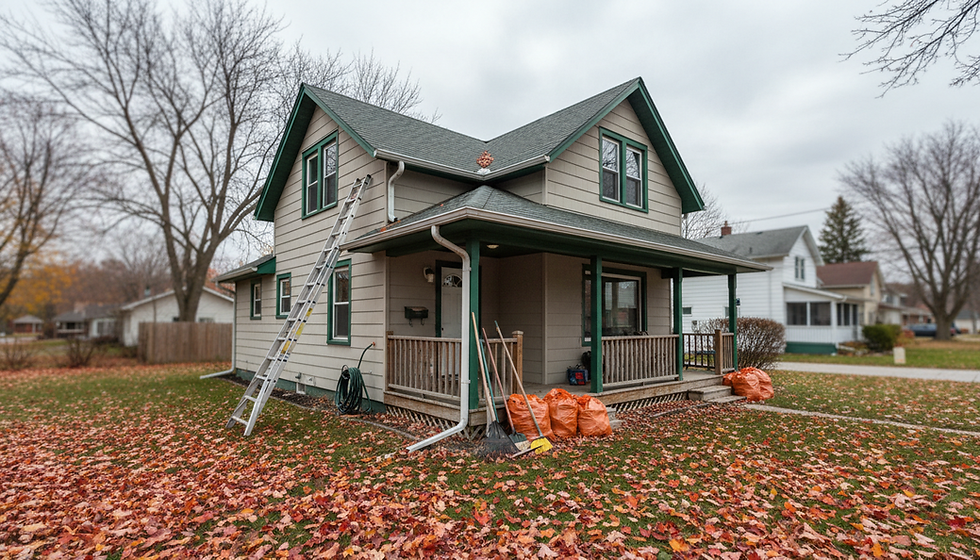
Fall | Rake leaves, aerate soil, trim trees, prepare plants for winter |
Winter | Clear snow from walkways, protect young plants, inspect for damage |
Sticking to a routine helps prevent problems and keeps your home’s edges looking their best.
Maintaining the perimeter of your house is a smart investment in your property’s health, safety, and appearance. From trimming grass and cleaning patios to managing borders and caring for trees, each element plays a vital role. By dedicating time and effort to these tasks, you create a welcoming environment that protects your home and enhances your outdoor living experience. Start with small steps today and enjoy the lasting benefits of a well-kept house perimeter.


Comments